


Что такое фотосинтез?
Все наши биологические потребности в энергии обеспечиваются растительным миром.
Содержание
|
1. Фотосинтез: жизненно важный процесс для жизни на Земле
Все наши биологические потребности в энергии обеспечиваются, прямо или косвенно, растениями. Будучи первичными производителями, растения улавливают энергию солнца и создают пищу в процессе фотосинтеза. Этот процесс не только обеспечивает кислород, необходимый для дыхания, но и формирует основу экосистем Земли.
2. Что такое фотосинтез?
Фотосинтез — это процесс, в котором зелёные растения и некоторые другие организмы преобразуют световую энергию в химическую. В этом процессе солнечный свет используется для превращения воды, углекислого газа и минералов в кислород и богатые энергией органические соединения, такие как глюкоза.
3. Уравнение фотосинтеза:
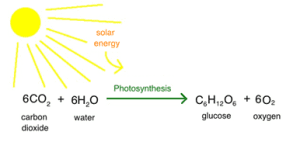
Image 1 – Уравнение фотосинтеза
4. История изучения фотосинтеза
Научные исследования фотосинтеза начались в 1771 году благодаря Джозефу Пристли, английскому священнику и учёному. Он обнаружил, что растения производят вещество, позже идентифицированное как кислород, который необходим для горения. В 1779 году Ян Ингенхауз, голландский врач, показал, что этот процесс требует света и зелёных частей растений.
5. Факторы, влияющие на фотосинтез
- Интенсивность света Более высокая интенсивность света увеличивает скорость фотосинтеза.
- Концентрация углекислого газа Увеличение CO2 ускоряет фотосинтез.
- Температура Оптимальная температура для фотосинтеза составляет от 25 до 35°C.
- Вода Недостаток воды снижает поглощение CO2 и уменьшает фотосинтез.
- Загрязнение Загрязняющие вещества могут блокировать устьица листьев и нарушать фотосинтез.
6. Методы измерения фотосинтеза
- Измерение поглощения CO2 Определение количества углекислого газа, поглощаемого растениями.
- Измерение кислорода Оценка количества кислорода, производимого в ходе фотосинтеза.
- Сухое вещество Оценка твёрдых веществ, производимых растением.
- Образование углеводов Измерение прироста массы растения за счёт образования сахаров.
- Реакция Хилла Измерение образования кислорода в светозависимых реакциях.
- Флуоресценция хлорофилла Анализ излучаемого хлорофиллом света как индикатора фотосинтеза.
7. Фотосинтез и потребности человека
Фотосинтез является основным источником пищи, кислорода и многих необходимых человеку материалов. Даже энергия, заключённая в ископаемом топливе, таком как нефть и газ, изначально происходит из фотосинтеза и накопления солнечной энергии в древних растениях.
8. Заключение
Фотосинтез — это уникальный и необходимый процесс для выживания и продолжения жизни на Земле. Учитывая его важность, защита окружающей среды и растительного мира имеет решающее значение для поддержания этого цикла.
Чтобы узнать о связи температуры, CO2 и фотосинтеза, вы можете прочитать статью Углекислый газ (CO2) в теплице.