


Температурный стресс в теплицах
Важность контроля температуры для роста растений
Содержание
|
1. Температура и её жизненно важная роль в росте растений
Температура является одним из ключевых факторов роста и обмена веществ растений. Подходящая температура не только влияет на физические и химические процессы внутри растения, но и напрямую воздействует на диффузию газов и жидкостей, растворимость веществ, скорость реакций и стабильность ферментных систем. Правильное регулирование температуры в теплицах необходимо для повышения урожайности и качества продукции.

2. Температурный стресс (Temperature Stress) и его влияние на растения
Если температура в теплице не контролируется должным образом, растения подвергаются температурному стрессу. Этот стресс может проявляться в двух формах: холодовой стресс и тепловой стресс:

2.1 Холодовой стресс (Cold Stress) Низкие температуры (от 1 до 10°C в зависимости от вида культуры) могут вызывать серьёзные физиологические нарушения у растений. К ним относятся снижение темпов роста, ухудшение качества продукции и сокращение срока хранения после сбора урожая. Исследования показывают, что холодовой стресс как абиотический стресс оказывает значительное влияние на сельскохозяйственную продуктивность.
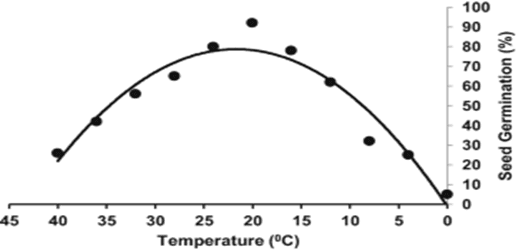
Низкие температуры отрицательно влияют на прорастание (Bhattacharya et al., 2022).
Холодовой стресс у огурца

2.2 Тепловой стресс (Heat Stress) Тепловой стресс возникает, когда температура превышает порог толерантности растения. Например, температура выше 30°C снижает рост растений, а при превышении 40°C физиологические процессы могут нарушиться всего за несколько часов. Этот тип стресса является одним из основных ограничивающих факторов продуктивности в теплицах.

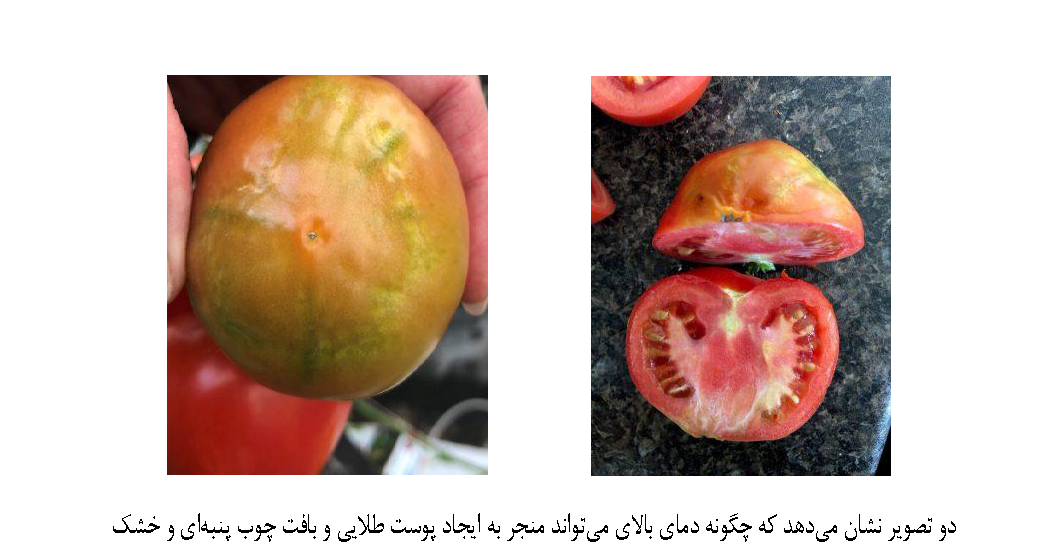
На двух изображениях показано, как высокие температуры могут приводить к появлению золотистой кожицы и сухой пробковой ткани внутри плода, делая его непригодным для продажи. Тепловой стресс снижает жизнеспособность пыльцы и может привести к потере урожая, а пробковая ткань также может быть косвенным следствием теплового стресса (Mirza, 2021).
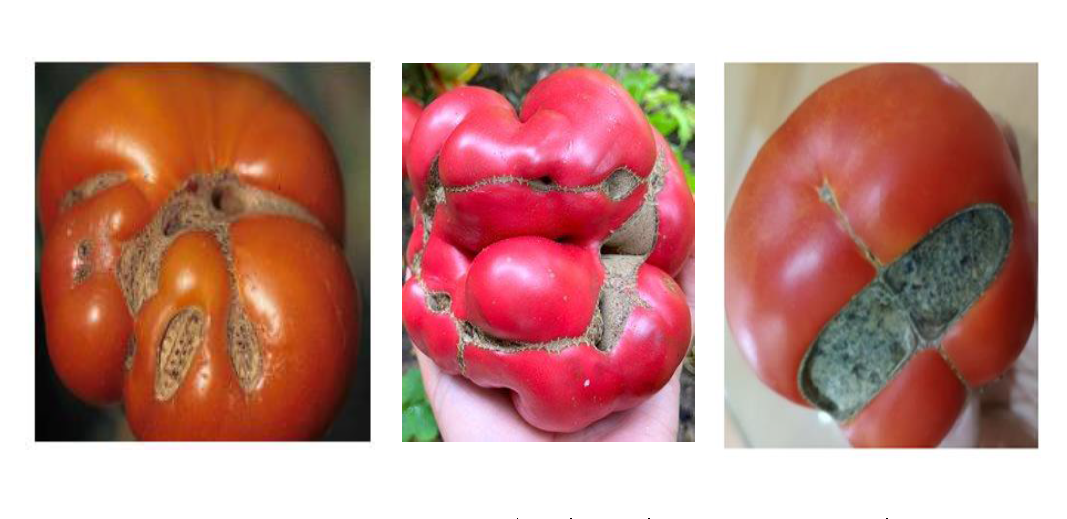
Деформация плодов типа catface: низкие температуры во время цветения и опыления могут вызывать уродливость плодов, известную как catfacing у томатов. Опадение цветков из-за очень низкой температуры также может способствовать этому нарушению. Чрезмерная жара и большие суточные колебания температуры ещё больше повышают вероятность его возникновения. Плоды становятся неправильной формы с коричневыми пятнами (Vakili Bastam, 1401; Janet Loughrey, 2022).
Температурный стресс у клубники


Сморщенные листья клубники показывают признаки повреждения холодом (Brust, 2014).

Влияние жары на плоды клубники
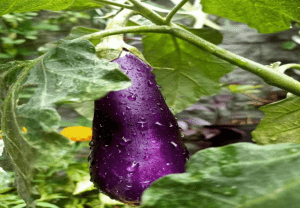
Плохое качество баклажанов связано с низкой влажностью и высокими температурами окружающей среды. Цвет более зрелых плодов становится тусклым и часто приобретает бронзовый оттенок (gardeningtip, 2022).
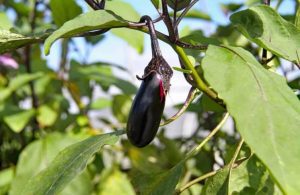
При температуре выше 32°C листья баклажана склоняются вниз, а рост растения может остановиться из-за чрезмерной жары (gardeningtip, 2022).
3. Оптимальная температура для тепличных культур
Для большинства тепличных культур оптимальный температурный диапазон составляет от 15 до 23°C. Отклонения от этого диапазона могут привести к негативным последствиям, таким как снижение фотосинтеза и гибель растений.
4. Влияние температурного стресса на фотосинтез
При температурах ниже 10°C и выше 34°C растения начинают активировать защитные механизмы. Поглощение углекислого газа (CO2) становится нестабильным и может остановиться, что приводит к усилению стресса для листьев и других органов растения.
5. Способы снижения температурного стресса в теплицах
- Установка подходящих систем отопления и охлаждения: Использование интеллектуальных систем для точного контроля температуры.
- Теплоизоляция теплицы: Снижение теплообмена с внешней средой.
- Постоянный контроль температуры: Использование датчиков и современного оборудования для мониторинга в реальном времени.
6. Дополнительные исследования по температурному стрессу
Для получения дополнительной информации о температурном стрессе и методах его снижения можно обратиться к следующим источникам:
- Haghighi, R. & Abolghasem, R. (2019). Effects of high and low temperature stress on growth, photosynthesis, and antioxidant activity in tomato during vegetative growth stage. Journal of Vegetable Sciences.
- Gholamnia, A. et al. (2021). Investigation of salinity and heat stress effects on physiological and vegetative traits of peppermint. Iranian Journal of Plant Biology.
- Vakili Bastam, S. (2022). Catface disorder in greenhouse tomatoes and its control. Greenhouse Vegetable Extension Journal.
7. Заключение
Температурный стресс является одним из ключевых факторов, снижающих продуктивность и качество тепличных культур. Используя современное оборудование и точный контроль температуры, можно минимизировать его негативное воздействие и обеспечить высокое качество продукции.
Компания Energy, понимая важность температурного стресса в тепличных условиях, решила эту проблему, разработав передовые отопительные продукты на основе современных технологий.
Чтобы узнать больше о тепличных отопительных продуктах Energy, нажмите здесь.