


Целлюлозная панель (Cellulose Pad)
Испарительное охлаждение — это самый простой и один из самых эффективных способов создания охлаждения. В этом методе наше тело рассеивает тепло через испарение (испарение влаги с поверхности кожи).
 (Рисунок 1)
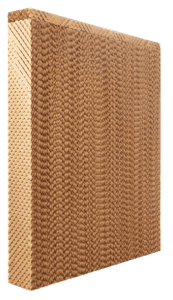
Испарительные системы используют различные испарительные среды для охлаждения воздуха, и целлюлозная панель является одной из самых эффективных сред. Целлюлозная панель состоит из множества слоёв тонкой гофрированной крафт-бумаги с высоким водопоглощением, которая была усилена. Бумага насыщена树脂ными составами, чтобы предотвратить разложение и распад при контакте с водой. Равномерная и плотная структура целлюлозной панели обеспечивает большую площадь контакта между водой и воздухом по сравнению с традиционными средами (например, древесной стружкой) и приводит к более равномерной скорости воздуха. Преимущества целлюлозных панелей включают увеличение охлаждения, предотвращение переноса водяных капель, снижение проникновения пыли и уменьшение передачи вредных респираторных бактерий в поступающий воздух (Рисунок 1).
Обслуживание целлюлозных панелей
Обслуживание испарительных систем охлаждения (целлюлозных испарительных охладителей) в начале и в конце жаркого сезона и во время использования важно. Одним из наиболее критичных компонентов является испарительная среда (целлюлозная панель), которую необходимо обслуживать в соответствии с местной жёсткостью воды и качеством наружного воздуха.
Исследования показывают, что частое переключение испарительных систем в режиме включено/выключено beyond нормальных уровней увеличивает образование накипи на целлюлозных панелях. Также использование соляной, рециркулируемой, хлорированной или богатой минералами воды вызывает отложения на панелях и в конечном итоге снижает эффективность охлаждения.
В регионах, где жёсткость воды превышает 250 ppm, рекомендуется использовать соответствующий умягчитель воды для оптимизации работы системы и продления жизни испарительной среды (целлюлозной панели).
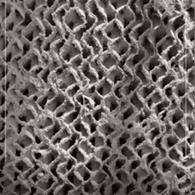
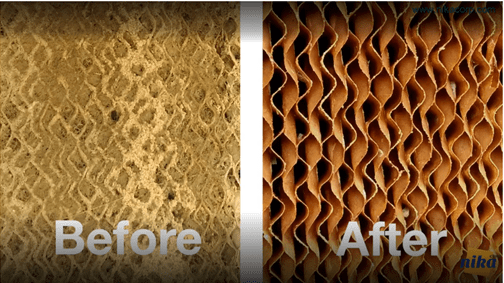
При осмотре целлюлозной панели признаки, такие как деформация структуры панели, зазоры между слоями или блокировка её пор, указывают на то, что время заменять панели (Рисунок 2). В противном случае удалите накопившуюся грязь и пыль с панелей. Если очистка не выполняется правильно и вовремя, поток воздуха и срок службы панели и её эффективность уменьшатся (Рисунок 3).

Основные рекомендации по обслуживанию целлюлозных панелей
- Водораспределитель панели (водо spreading) — это наиболее важная часть, и её outlets должны оставаться незаблокированными для обеспечения равномерного распределения воды по целлюлозной панели.
- Используйте мягкую щётку для удаления пыли и водяной накипи с целлюлозных панелей.
- Очистка должна выполняться, когда панели полностью сухие; осторожно чистите щёткой в направлении гофрировки, чтобы избежать повреждения.
- После чистки и очистки целлюлозной панели запустите водяной насос, чтобы оставшаяся пыль и отложения были смыты и settled в резервуаре. Затем слейте воду из резервуара (предпочтительно рециркулируемую воду) и заполните чистой водой. Убедитесь, что резервуар и нижняя часть панели полностью освобождены от ранее хранящейся воды.
Примечание: Никогда не используйте десскалеры на основе фосфатов или химические очистители для удаления накипи с целлюлозных панелей. Химические очистители corroдируют панель и drastically снижают её срок службы. Целлюлозные панели частично самоочищаются, и большая часть накипи образуется на первом внешнем слое панели.
- Система распределения воды охладителя должна быть правильно уравнена, чтобы вода равномерно распределялась по панели; сухие участки вызывают локальное образование накипи.
- Убедитесь в подходящем распределении потока воды по всей структуре панели.
- В сумерках, когда испарительное охлаждение не требуется, выключите вентиляторы и насосы на 30 минут, чтобы панели полностью высушились; дневное высыхание снижает риск образования накипи и роста альго.
- Воду в сумпе охладителя следует заменять каждые две-три недели в зависимости от жёсткости и качества воды.
- Поместите систему охлаждения вне прямого солнечного света или提供 shading для продления срока службы панели.
- Для предотвращения роста грибков и альго на поверхности панелей отключите распределение воды на 45–70 минут каждые 24 часа для полного высыхания.
- После сезона охлаждения или перед длительными периодами хранения слейте воду из системы, Промойте и высушите панели, удалите накипь, затем reinstall чистые сухие панели.
- Покрытие панелей для избежания прямого солнечного света также помогает продлить срок службы панели.
- Использование умягчителя воды является обязательным в регионах с жёсткостью воды выше 250 ppm.
Целлюлозные панели, произведённые Kolansell, являются единственными целлюложными панелями, одобренными Energy.
Источник:
- Munters Corporation
- Информация о продукте от Kolansell
- Внутренние технические статьи, Unit продаж Engineering, компания Energy